Root Canals

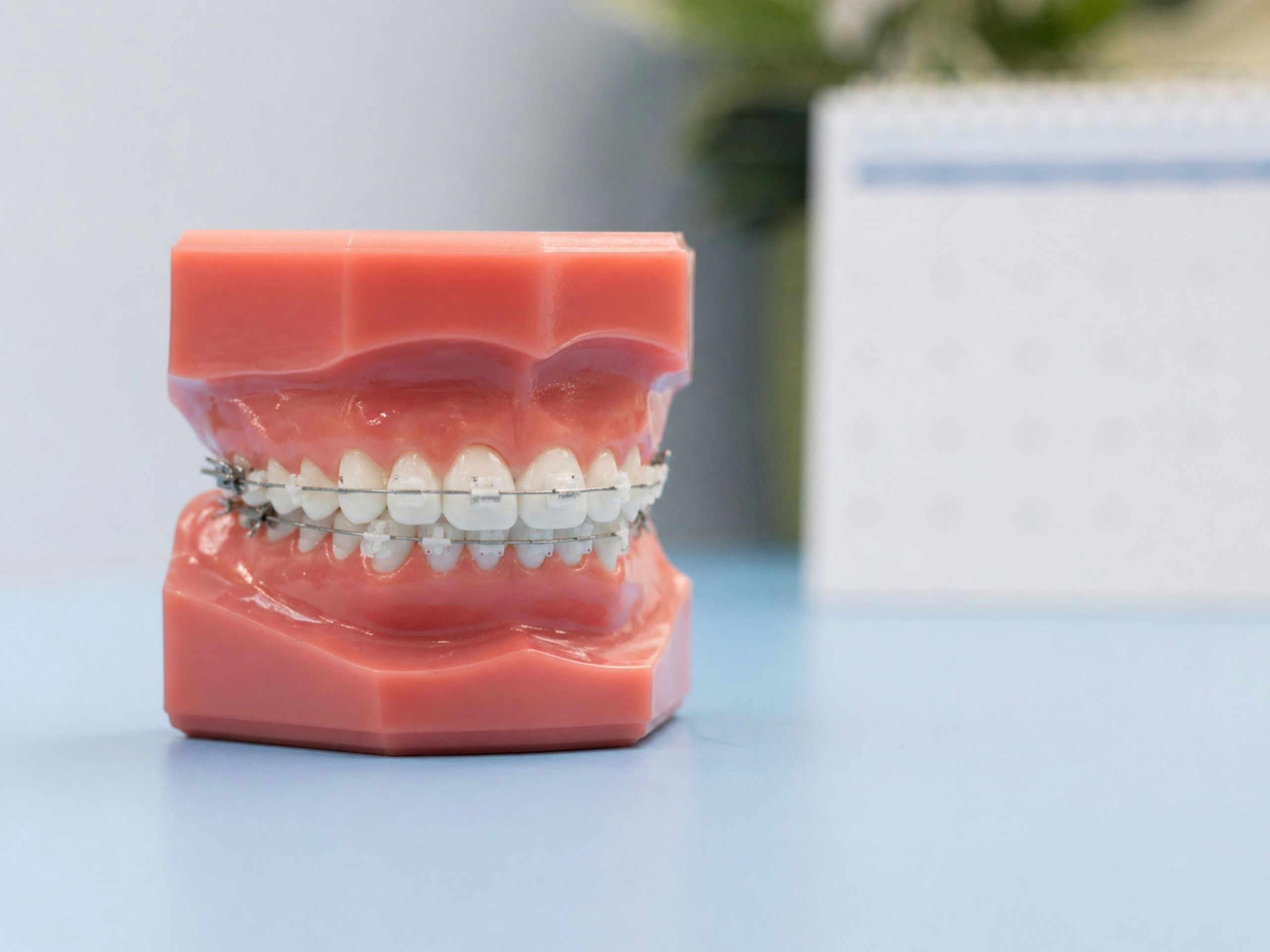
A dental model of human gums and teeth with clear braces is displayed on a blue surface, with a blurred calendar in the background.

What Happens During an Endodontic Consultation?

Being referred to an endodontist can make some patients uneasy, particularly if they are not sure what an endodontist does or why specialized care is necessary. In many cases, however, the first visit is simply an opportunity to get answers.

An endodontic consultation is designed to identify the source of a problem affecting the inside of a tooth and determine whether specialized treatment is needed. You may have been referred because of persistent tooth pain, unusual sensitivity, a suspected infection, a cracked tooth, or concerns involving a previous root canal.

Whatever brought you in, the purpose of the visit is not to rush into treatment. A thorough examination allows the endodontist to understand what is happening and recommend care based on the condition of your tooth.


read more...
Close-up of a person with glossy pink lips, lightly touching their cheek with their fingers. Their eyes are closed and their facial expression appears to be troubled, like experiencing tooth pain when biting down

Why Your Tooth Hurts When You Bite Down

Most people expect a toothache to be constant. They assume that if something is wrong, the pain will be obvious and impossible to ignore. In reality, some dental problems reveal themselves in much more specific ways.

One of the most common complaints patients have is pain that only appears when they chew food, bite down, or release pressure after biting. This type of discomfort can be confusing because the tooth may feel perfectly normal the rest of the time.

If you’re experiencing tooth pain when biting down, it’s important not to dismiss it. Your teeth are designed to withstand tremendous pressure every day. When a tooth suddenly begins responding to normal chewing forces with pain, it’s often your body’s way of signaling that something isn’t functioning properly.

The good news is that identifying the cause early can often prevent more extensive treatment later.

read more...
A dentist in scrubs talks to a smiling woman sitting in a dental chair inside a modern, bright dental office with equipment and an X-ray visible in the background.

How Summer Dehydration Can Affect Your Oral Health

When most people think about dehydration, they usually think about headaches, fatigue, or the need to drink more water after spending time outside. Very few people consider what dehydration does to their teeth and gums.

Arkansas summers are known for high temperatures, humidity, and long days spent outdoors. Whether you’re traveling, attending sporting events, working outside, or simply enjoying more time in the sun, it’s much easier to become dehydrated during the summer months than many people realize.

The connection between summer dehydration and oral health is often overlooked, but it can have a significant impact on your teeth, gums, and overall oral health. In many cases, dehydration creates the perfect environment for dental problems to develop or existing conditions to worsen.

Understanding how your body responds to dehydration can help you recognize the warning signs before they develop into more serious concerns.

read more...
A person wearing a white shirt is brushing their teeth with a pink toothbrush, possibly after an endodontic retreatment. Only the lower half of their face and one hand are visible.

When Endodontic Retreatment Is Better Than Tooth Extraction

Hearing that a previously treated tooth is causing problems again can be frustrating. Many patients assume extraction is the only remaining option when a root canal fails, but that is not always the case. In many situations, endodontic retreatment can successfully save the natural tooth and restore long-term oral health. Understanding when retreatment is better than extraction can help patients make informed decisions about preserving their smile.

read more...
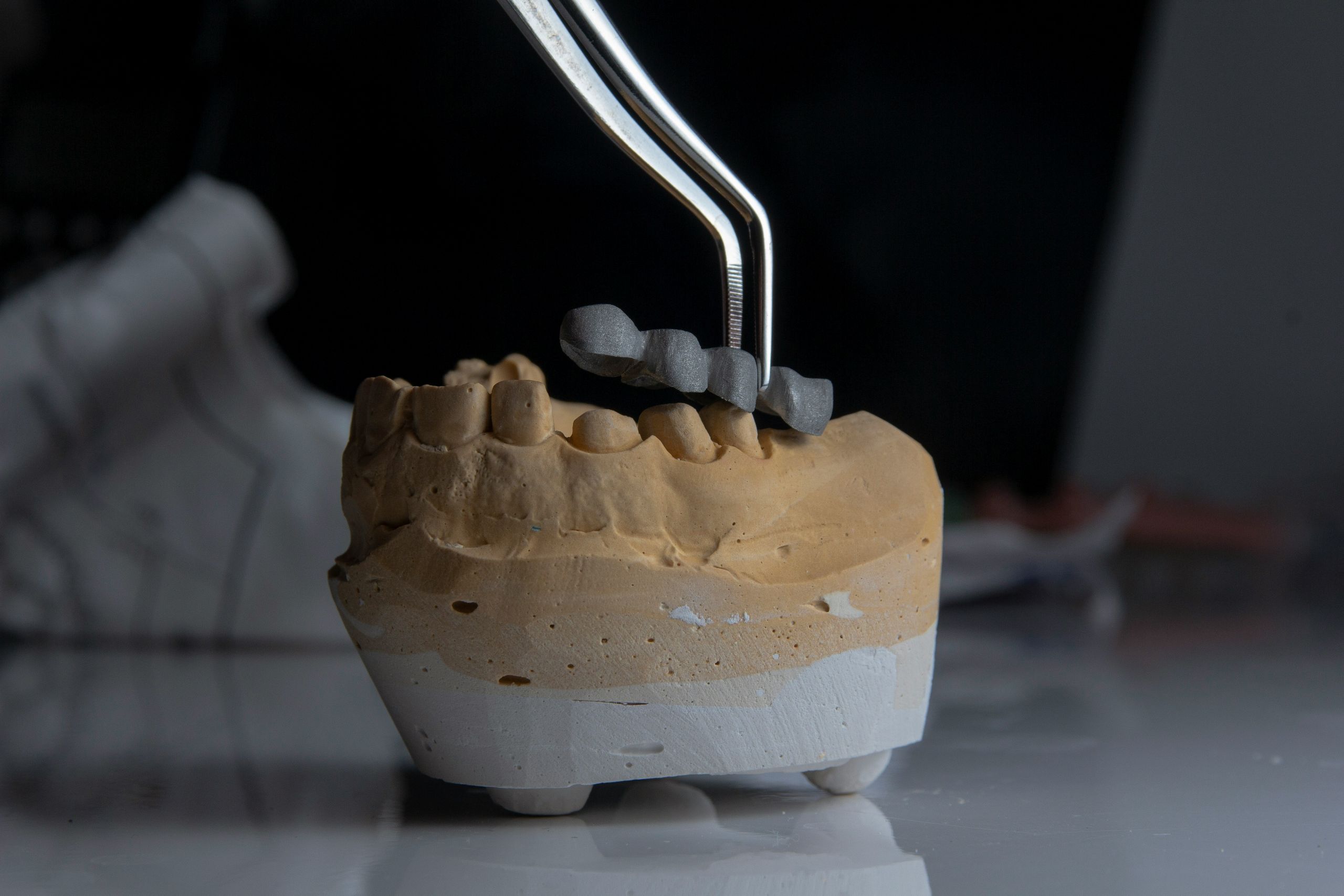
A dental tool holds metal dental crowns above a plaster model of human teeth—often used in root canal recovery—displayed on a reflective surface against a dark background.

Root Canal Recovery Tips

Root canal treatment is designed to relieve pain and eliminate infection while saving your natural tooth. After the procedure, proper care plays an important role in healing. Understanding what to expect during root canal recovery and following simple aftercare steps can help ensure a smooth and comfortable healing process.

read more...
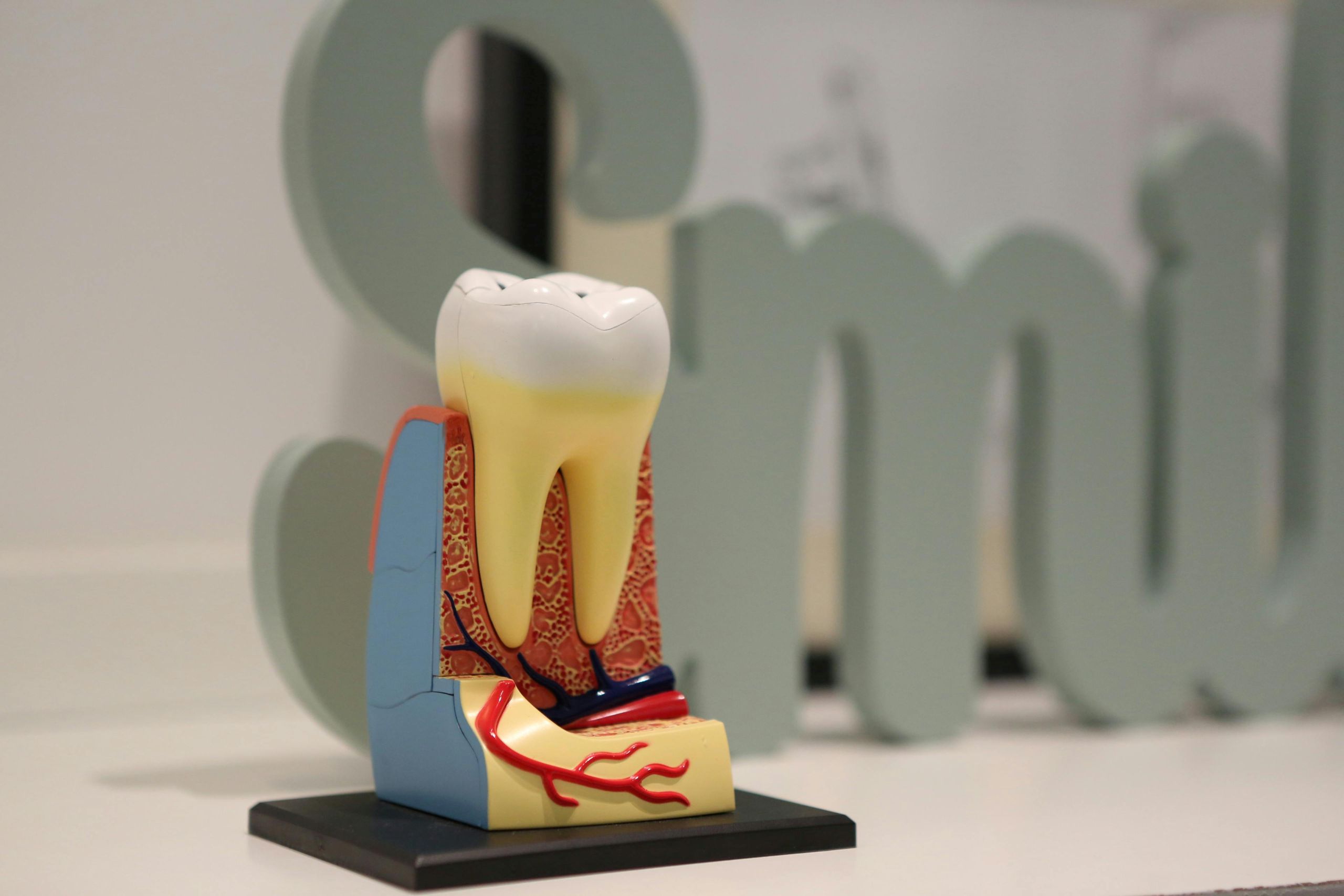
A model of a tooth showing internal structures, including details related to an apicoectomy, is displayed on a table, with a large decorative word Smile blurred in the background.

Apicoectomy FAQ: All You Need to Know

When a tooth doesn’t heal properly after a root canal, your dentist may recommend an apicoectomy. While the term might sound intimidating at first, this specialized endodontic procedure is actually a common and highly effective way to save your natural tooth and prevent further infection from developing. An apicoectomy is often considered when a traditional root canal has already been performed but healing has not progressed as expected, or when persistent inflammation or infection remains at the tip of the tooth’s root.

If you’ve been informed that an apicoectomy might be necessary, it’s normal to have questions about what the procedure involves, how it works, and what to expect during recovery. Understanding the details can help ease any anxiety and prepare you for a smoother, more informed experience. This FAQ will provide a comprehensive overview, addressing the most common questions patients have about an apicoectomy and helping you feel confident in your treatment decisions.

read more...
A woman in a brown sweater stands at a reception desk, touching her cheek with a pained expression—perhaps seeking help with root canal recovery. The softly lit office or clinic background adds a sense of calm to the scene.

Root Canal Recovery: Post Treatment Care

Hearing that you need a root canal can feel intimidating, but the procedure is designed to relieve pain and save your natural tooth. Thanks to modern techniques, most patients are surprised by how comfortable the process is. Just as important as the treatment itself, however, is what comes next: your root canal recovery. Understanding what to expect and how to care for your tooth afterward will help ensure a smooth healing process.

read more...
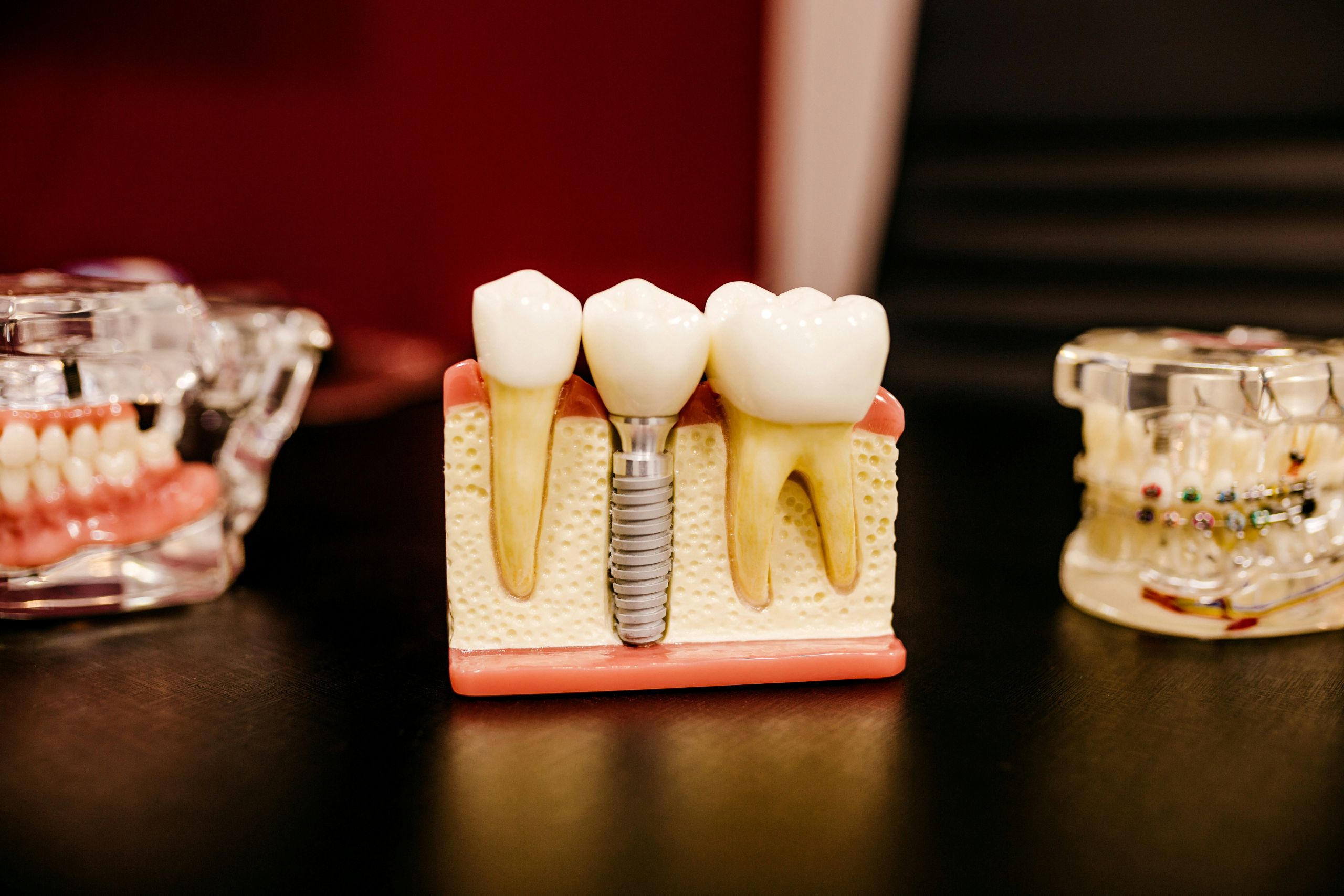
A dental model showing a dental implant between two natural teeth, with jawbone structure and gums, and two other dental models with braces in the background, illustrates dental procedures—such as how long does a root canal take—on a dark surface.

How Long Does a Root Canal Take?

If you’ve been told you need a root canal, one of the first questions you may ask is, “How long does a root canal take?” It’s a common concern, especially if you’re worried about time off work, school, or other responsibilities. The good news is that root canal treatment is often quicker and more comfortable than many people expect.

At James A. Penney, III, DDS, we understand that your time and comfort matter. Here’s what you can expect when it comes to how long the procedure may take.

read more...

What to Expect During a Root Canal Procedure

Facing a root canal procedure can be intimidating, but understanding the process can alleviate anxiety and prepare you for a smooth experience. Dr. James A. Penney III, DDS, and his trusted team have been providing endodontic care in Central Arkansas for 20 years,...

read more...

Will I Be Sore After My Root Canal Surgery?

This is one of our patients main concern when they are getting ready for their root canal appointment. How much pain will I be in after a root canal surgery? Fortunately, we have the technology and highly-trained endodontist, Dr. James A Penney III, DDS, to make the...

read more...

Should I Put Off My Root Canal Surgery?

There are many reasons patients at James A. Penney, III, DDS, PA Endodontics delay root canal surgery. The truth is: the sooner you undergo this endodontic treatment the better. When your regular dentist says you need to undergo this procedure, we recommend scheduling...

read more...

2 Root Canal Myths You Should Know About

Has your dentist recommended a root canal treatment for an injured or decayed tooth? If you’ve never experienced a root canal treatment, the thought of someone drilling to the pulp of your tooth might be nerve-racking. If you need root canal treatment, consider James...

read more...

Does My Toothache Call For A Root Canal?

Got a toothache? The first thing you want is to stop the pain. The next step is to figure out the cause so it doesn’t flare up again. A root canal procedure is often called for when the tooth has been compromised by breakage or decay. The nerve endings need to be...

read more...

Nervous About Your Root Canal? That Is Normal!

Obviously. To perform a root canal we will be drilling into your aching tooth. Needles are involved. Honestly, the whole thing is rather extraordinary. We could spend a whole blog telling you all the technical reasons why you have nothing to worry about. And we have....

read more...

Breakfast Before a Root Canal

At James A. Penney, III, DDS, PA Endodontics we recommend that all patients eat a full breakfast or lunch, as applicable, before their appointment. Why? You’ll be undergoing treatment for one to three hours. We also don’t recommend eating immediately after your...

read more...

Practicing Self-Care After a Root Canal Surgery

At James A. Penney, III, DDS, PA. Endodontics in Little Rock we receive a wide variety of patients. It’s important to us that we make each of them feel comfortable. Our goal is to provide each patient with the highest quality of technical care and to treat each of our...

read more...

What to Expect After a Root Canal

At James A. Penney, III, DDS, PA Endodontics, we know each patient’s dental problems are unique and require different kinds of care. We are available to all times to respond if you experience any complications after surgery. Here are a few norms our patients typically...

read more...

How Do Root Canals Fix Teeth?

Root canals are done when a tooth has decay or an injury that can’t be fixed with a filling. The procedure cures the troubled tooth and allows it to continue to function inside your mouth. Why is this considered a “fix”? Your tooth has responsibilities. When it stops...

read more...

4 Stages of a Root Canal Treatment

Get Ready for your Root Canal Treatment in Little Rock, AR Are you about to head in for your first root canal treatment? Many patients have questions and concerns about the procedure. Thanks to modern dentistry and technology, there isn’t much to worry about. A root...

read more...

Will a Root Canal Fix an Abscessed Tooth?

Root Canal Preparation and Tips from your Little Rock Endodontist An abscessed tooth is no joke when it comes to dental infections. What starts out as a small bacterial infection can spread and really cause a patient pain. That is where root canals come in handy. Root...

read more...

Root Canal Surgery in Little Rock

Root canals have a bad reputation for being painful dental procedures – but advances in the field of dental technology have changed that! Dr. James A. Penney and our wonderful staff will ensure that your root canal is a completely painless experience. We can also help...

read more...

Are Endodontists Better at Root Canals?

Root canals can be performed by general dentists, or specialists called endodontists. If you require a root canal you might be wondering if it makes more sense to stick with your regular dentist or schedule an appointment with a Little Rock endodontist. While your...

read more...

What To Do Before Endodontic Treatment

The days are counting down and suddenly your appointment for endodontic treatment is right around the corner. Here are a few things you can do to prepare for your visit. 1. Ask any questions you have about endodontic treatment. If you have concerns, it is best to...

read more...

How to Avoid Infection After Root Canal Surgery

Today, root canals are quick and painless. If they are performed correctly, you can return to your normal schedule as soon as you leave the clinic. The best way to prevent your tooth from becoming infected again is to follow your dentist’s recommendations, practice...

read more...

Myths About Root Canals and Root Canal Pain

There are many misconceptions surrounding root canal (endodontic) treatment and whether patients experience root canal pain. The American Association of Endodontists wants you to have accurate information. As always, when considering any medical procedure, you should...

read more...