Blog

Preparing for Year-End Dental Treatment: Why Fall Is the Best Time to Start
Fall is often a busy season. School is back in session, work schedules become more demanding, and the holidays are already beginning to appear on the calendar. With so much happening, dental care can easily become something that gets pushed to the end of the year.
For patients who have been putting off a dental concern, however, waiting until December may not be the best approach. Starting your year-end dental treatment in the fall gives you more time to address problems before they become urgent, plan treatment around your schedule, and make better use of available dental benefits.
This is especially important when a tooth needs specialized care. Problems involving the inner portion of the tooth can become more painful or complicated when treatment is delayed. Scheduling an evaluation early can help determine what is happening and whether endodontic treatment may be appropriate.

Can Stress Cause Tooth Pain? Understanding the Connection
Stress can affect the body in ways that aren’t always obvious. Headaches, muscle tension, fatigue, and difficulty sleeping are commonly associated with stressful periods, but your teeth and jaw can also feel the effects. If you’ve started experiencing unexplained discomfort in your teeth during a particularly stressful time, you may wonder, can stress cause tooth pain?
The answer is yes, although stress itself may not directly damage a tooth. Instead, stress can contribute to habits and physical responses that place additional pressure on your teeth and jaw. Teeth grinding, jaw clenching, changes in oral hygiene, and increased sensitivity can all contribute to discomfort.
Understanding the connection between stress and tooth pain can help you recognize when symptoms may be related to stress and when they could indicate an underlying dental problem that requires professional treatment.

Can a Tooth Infection Spread? What Every Patient Should Know
A toothache can be easy to put off, especially when the pain comes and goes. Some people wait because the discomfort seems manageable, while others assume the problem will eventually settle down on its own. Unfortunately, an infection inside a tooth does not simply disappear without treatment.
One of the most important questions patients ask is, can a tooth infection spread? The answer is yes. An infection that begins inside or around a tooth can extend into the surrounding gums, jawbone, and nearby tissues when left untreated. In more serious situations, dental infections can spread beyond the immediate area and become a significant health concern.
Understanding how infections develop and recognizing the warning signs can help patients seek care before the problem becomes more complicated.
What Happens During an Endodontic Consultation?
Being referred to an endodontist can make some patients uneasy, particularly if they are not sure what an endodontist does or why specialized care is necessary. In many cases, however, the first visit is simply an opportunity to get answers.
An endodontic consultation is designed to identify the source of a problem affecting the inside of a tooth and determine whether specialized treatment is needed. You may have been referred because of persistent tooth pain, unusual sensitivity, a suspected infection, a cracked tooth, or concerns involving a previous root canal.
Whatever brought you in, the purpose of the visit is not to rush into treatment. A thorough examination allows the endodontist to understand what is happening and recommend care based on the condition of your tooth.

Why Your Tooth Hurts When You Bite Down
Most people expect a toothache to be constant. They assume that if something is wrong, the pain will be obvious and impossible to ignore. In reality, some dental problems reveal themselves in much more specific ways.
One of the most common complaints patients have is pain that only appears when they chew food, bite down, or release pressure after biting. This type of discomfort can be confusing because the tooth may feel perfectly normal the rest of the time.
If you’re experiencing tooth pain when biting down, it’s important not to dismiss it. Your teeth are designed to withstand tremendous pressure every day. When a tooth suddenly begins responding to normal chewing forces with pain, it’s often your body’s way of signaling that something isn’t functioning properly.
The good news is that identifying the cause early can often prevent more extensive treatment later.

How Summer Dehydration Can Affect Your Oral Health
When most people think about dehydration, they usually think about headaches, fatigue, or the need to drink more water after spending time outside. Very few people consider what dehydration does to their teeth and gums.
Arkansas summers are known for high temperatures, humidity, and long days spent outdoors. Whether you’re traveling, attending sporting events, working outside, or simply enjoying more time in the sun, it’s much easier to become dehydrated during the summer months than many people realize.
The connection between summer dehydration and oral health is often overlooked, but it can have a significant impact on your teeth, gums, and overall oral health. In many cases, dehydration creates the perfect environment for dental problems to develop or existing conditions to worsen.
Understanding how your body responds to dehydration can help you recognize the warning signs before they develop into more serious concerns.
Emergency Root Canal Therapy: Signs You Need Immediate Care
Tooth pain rarely happens at a convenient time. What may begin as mild discomfort can quickly turn into severe pain, swelling, or infection that requires urgent attention. In many cases, emergency root canal therapy is the most effective way to relieve pain, stop infection, and preserve the natural tooth before the condition worsens. Recognizing the signs that you need immediate dental care can help prevent serious complications and protect your long-term oral health.

When Endodontic Retreatment Is Better Than Tooth Extraction
Hearing that a previously treated tooth is causing problems again can be frustrating. Many patients assume extraction is the only remaining option when a root canal fails, but that is not always the case. In many situations, endodontic retreatment can successfully save the natural tooth and restore long-term oral health. Understanding when retreatment is better than extraction can help patients make informed decisions about preserving their smile.
Why Delaying Treatment Can Ruin Your Dental Health
It’s easy to put off dental treatment, especially when life gets busy or symptoms seem manageable. A mild toothache, occasional sensitivity, or small crack may not feel urgent at first. However, delaying care can allow small issues to develop into much larger problems that affect not only your teeth but your overall health as well. Understanding the delaying dental treatment risks can help you make informed decisions and avoid preventable complications in the future.
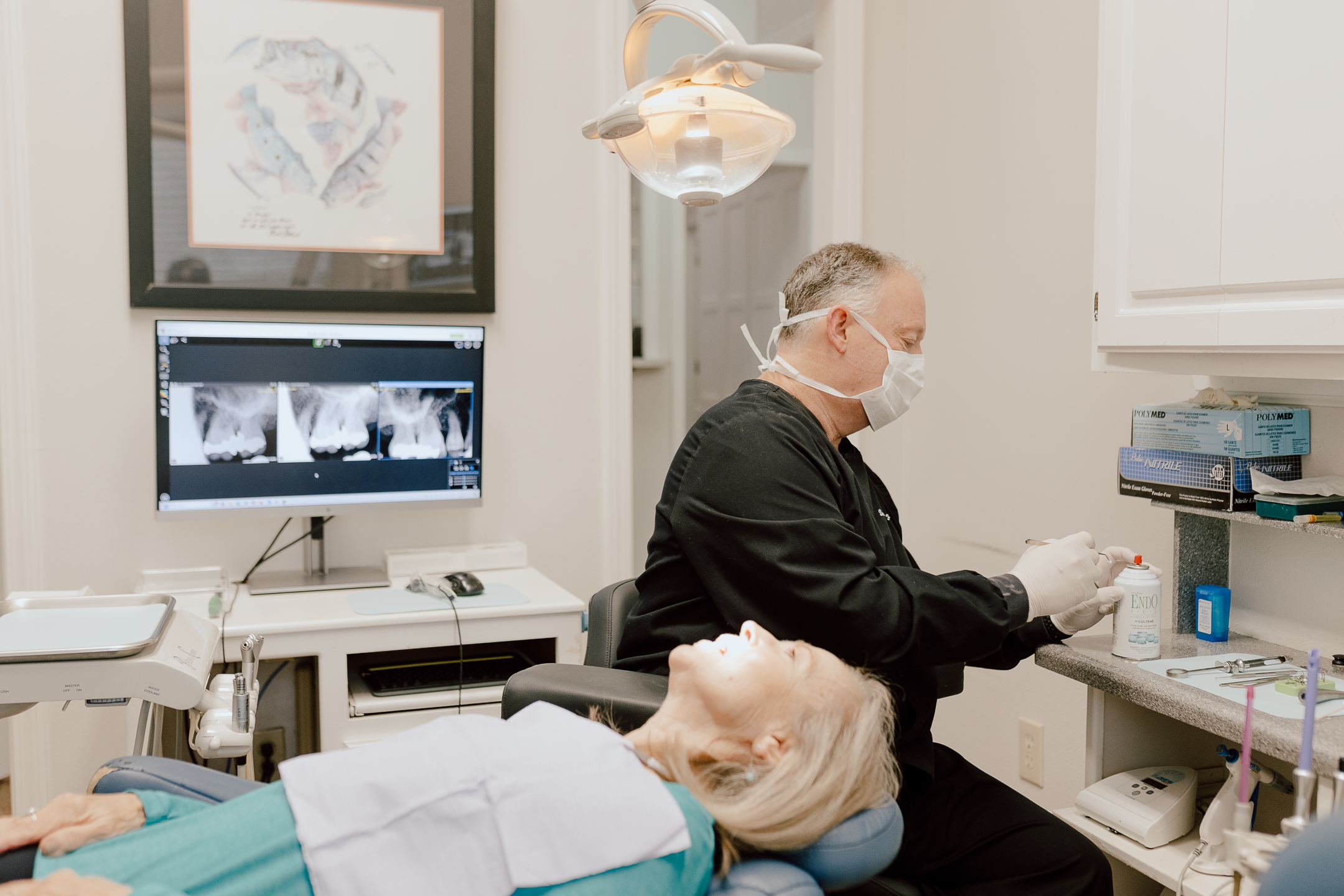
Summer Dental Emergencies: When You May Need an Emergency Endodontist
Summer is filled with vacations, outdoor activities, sports, and family gatherings, but it’s also one of the busiest times of year for unexpected dental injuries and sudden tooth pain. Whether it’s a cracked tooth during a weekend trip or swelling that appears right before vacation, summer dental emergencies can happen quickly and often without warning. Knowing when to seek urgent treatment from an emergency endodontist can help protect your oral health and prevent long-term complications.