
Blog

Spring Dental Checkups: Spotting Tooth Problems
Spring is often associated with fresh starts, cleaning, and getting things back on track. While many people focus on organizing their homes or schedules, it’s also one of the best times to refocus on your dental health. A spring dental checkup can help identify small issues before they turn into painful or costly problems later in the year.
Preventive care plays a key role in maintaining a healthy smile, and early detection is one of the most effective ways to avoid complex treatments. Understanding what your dentist looks for during a checkup can help you stay ahead of potential dental concerns.

What a Sudden Toothache Means
A sudden toothache can stop you in your tracks. One moment everything feels fine, and the next, you’re dealing with sharp pain, pressure, or a throbbing sensation that won’t go away. While it may be tempting to wait and see if the discomfort fades, a sudden toothache is often your body’s way of signaling that something isn’t right. Understanding what a sudden toothache means can help you take the right steps before the issue becomes more serious.
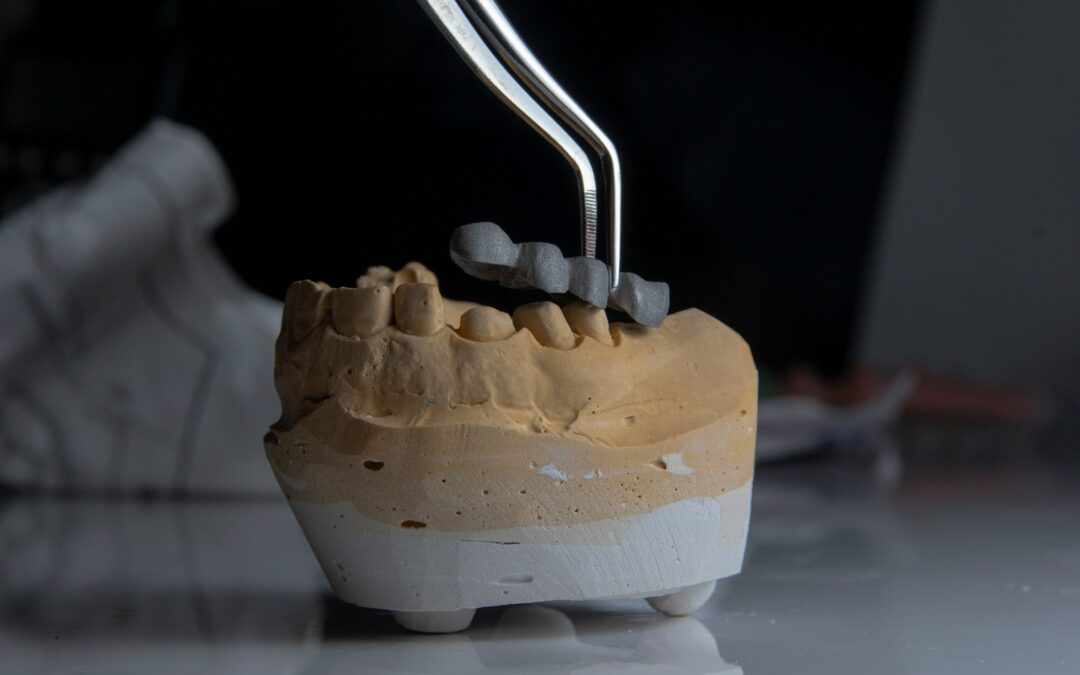
Root Canal Recovery Tips
Root canal treatment is designed to relieve pain and eliminate infection while saving your natural tooth. After the procedure, proper care plays an important role in healing. Understanding what to expect during root canal recovery and following simple aftercare steps can help ensure a smooth and comfortable healing process.

Understanding Tooth Nerve Pain: What Sensitivity Means
Tooth sensitivity is one of the most common dental complaints, but not all sensitivity is the same. When discomfort becomes sharp, lingering, or triggered easily, it may be a sign of tooth nerve pain. Understanding what tooth nerve pain means and what causes it can help you seek treatment early and avoid more serious dental problems.

New Year, New Smile: Why You Should See Your Dentist
The start of a new year is the perfect opportunity to refresh your routines and focus on your health, including your smile. Scheduling a new year dental checkup with your dentist helps ensure your teeth and gums are healthy, prevents potential problems, and sets the stage for a year free from tooth pain. Whether you’re dealing with minor sensitivity or simply want to maintain optimal dental health, a visit to the dentist early in the year can make all the difference.

Winter Toothaches: Common Causes
As the cold weather sets in, many people notice a sharp twinge or persistent ache in their teeth. These winter toothaches can be more than just a minor annoyance, they may signal underlying dental issues that need attention. Understanding the common causes of tooth pain in winter can help you take preventive measures, maintain your dental health, and keep your smile comfortable all season long.

Year-End Dental Health Tips: Don’t Start 2026 With Tooth Pain
As the year winds down, many people focus on wrapping up work projects, holiday shopping, and preparing for a fresh start in the new year. Amid all the hustle, your dental health can sometimes take a back seat. That’s why we’ve compiled a year-end list of dental health tips to keep you on the top of your dental game. Failing to address minor issues now can lead to tooth pain or more serious dental problems as 2026 begins. Taking proactive steps in your oral care this December ensures a healthier, pain-free start to the new year.

Why Tooth Pain Feels Worse in Cold Weather: Winter Sensitivity Explained
Tooth pain can be uncomfortable any time of year, but many patients notice it intensifies during the colder months. If you’ve felt sharper dental discomfort or an increased winter sensitivity when stepping outside on a chilly day or sipping a hot or cold drink in winter, you’re not alone. Understanding why tooth pain feels worse in cold weather can help you manage your symptoms and maintain your oral health through the season.
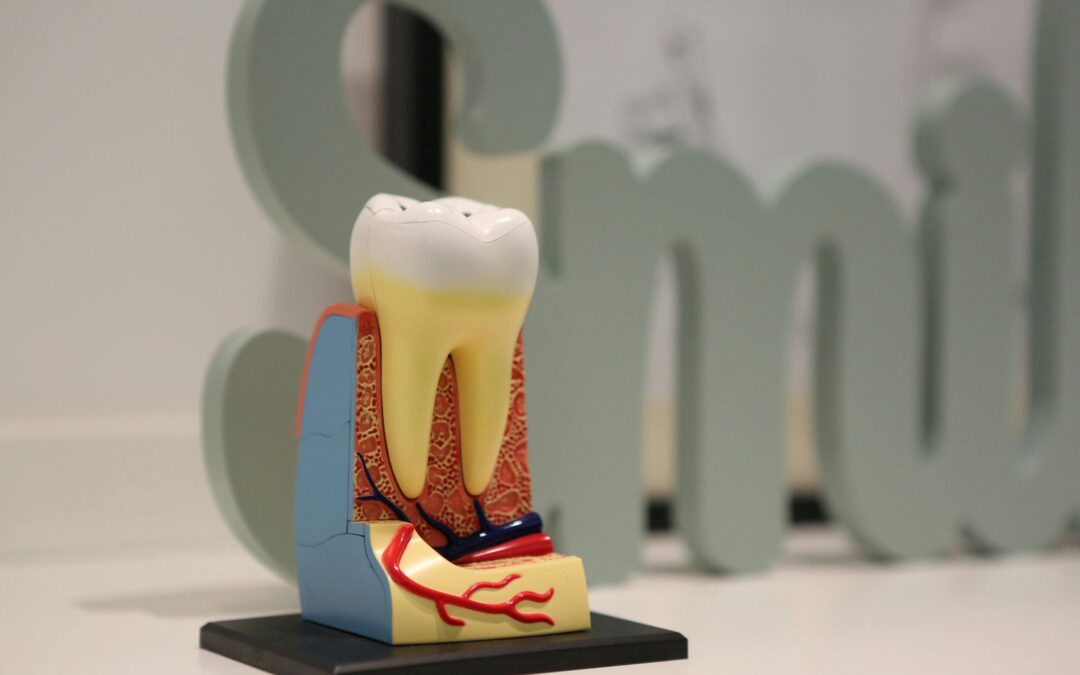
Apicoectomy FAQ: All You Need to Know
When a tooth doesn’t heal properly after a root canal, your dentist may recommend an apicoectomy. While the term might sound intimidating at first, this specialized endodontic procedure is actually a common and highly effective way to save your natural tooth and prevent further infection from developing. An apicoectomy is often considered when a traditional root canal has already been performed but healing has not progressed as expected, or when persistent inflammation or infection remains at the tip of the tooth’s root.
If you’ve been informed that an apicoectomy might be necessary, it’s normal to have questions about what the procedure involves, how it works, and what to expect during recovery. Understanding the details can help ease any anxiety and prepare you for a smoother, more informed experience. This FAQ will provide a comprehensive overview, addressing the most common questions patients have about an apicoectomy and helping you feel confident in your treatment decisions.

Root Canal Recovery: Post Treatment Care
Hearing that you need a root canal can feel intimidating, but the procedure is designed to relieve pain and save your natural tooth. Thanks to modern techniques, most patients are surprised by how comfortable the process is. Just as important as the treatment itself, however, is what comes next: your root canal recovery. Understanding what to expect and how to care for your tooth afterward will help ensure a smooth healing process.